Sign In
New User

Abhinnay S Mittal | Nimit Mittal
"Last week, one of our rolling mill bearings failed unexpectedly."
This is a sentence every maintenance head has heard at some point.
The immediate response is familiar—replace the bearing, restart the machine, recover production, and move on.
But what if the bearing wasn't the real problem?
What if it was simply the last visible outcome of months of unnoticed lubrication issues?
Poor lubrication rarely causes an instant breakdown. It silently increases friction, raises operating temperatures, accelerates wear, wastes energy, contaminates equipment, and slowly reduces machine reliability. By the time the bearing fails, the plant has already paid a much higher price.
The real question is no longer:
"How much did the bearing cost?" It is:
"How much did poor lubrication cost before the bearing failed?"
These costs are painful—but they are only the tip of the iceberg.
Poor lubrication increases friction. Motors draw more power, temperatures rise, and energy consumption quietly increases throughout the plant.
Over-lubrication, under-lubrication, leakages and incorrect dosing result in unnecessary lubricant consumption and higher operating costs.
Oil leakage creates slippery floors, housekeeping challenges, fire risks and environmental compliance issues. A small leak can become a much bigger safety concern.
Without proper monitoring, lubricant is often wasted through leakages, excessive greasing and poor handling practices. Every drop lost adds to the operating cost.
Maintenance teams spend valuable hours carrying grease guns, lubricant containers and tools across the plant. This time could be better invested in improving equipment reliability.
Dust, moisture and metal particles entering the lubricant accelerate wear instead of preventing it. Even premium-quality lubricant cannot protect equipment once contamination sets in

A lubrication system designed years ago may no longer match today's production speeds and operating conditions. Delivering the right lubricant, at the right point, in the right quantity and at the right time is essential for reliable performance.
A blocked line, failed pump or empty reservoir often goes unnoticed until a machine breaks down. Modern lubrication systems should provide health feedback and early warnings before failures occur.
Lubrication should provide valuable maintenance intelligence. Monitoring flow, pressure and system health helps detect problems early, enabling planned maintenance instead of emergency repairs.

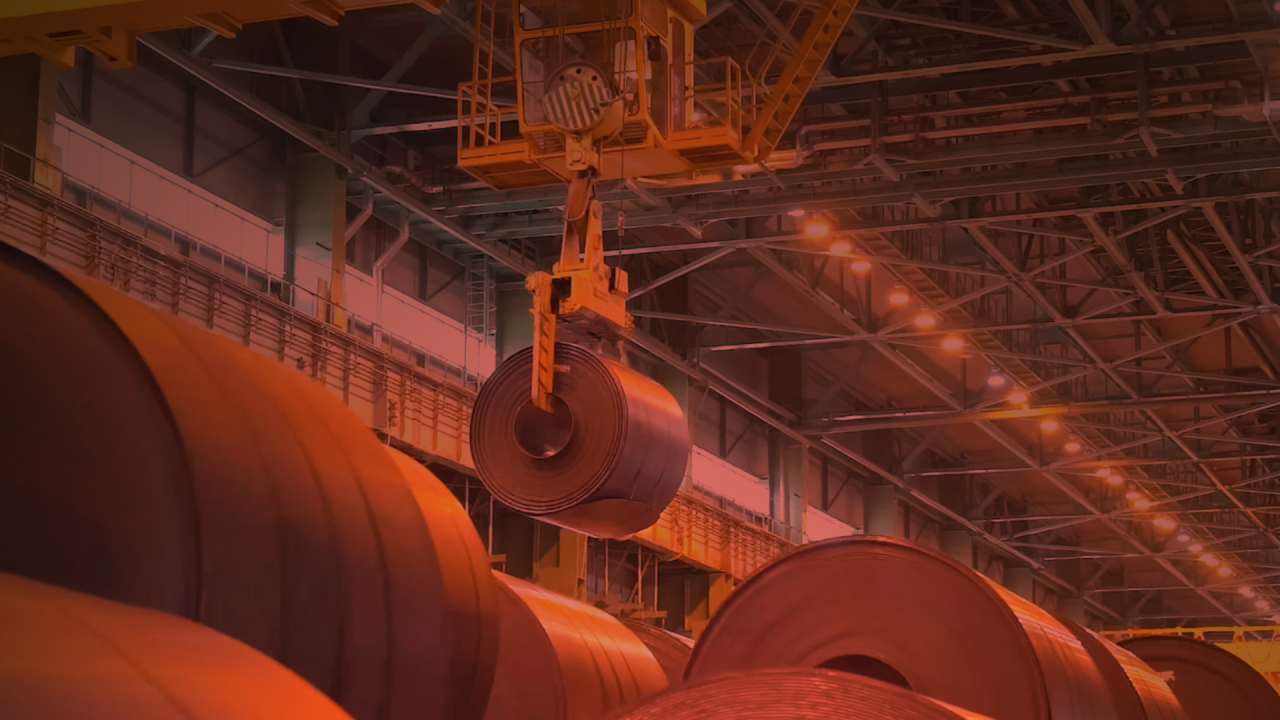
Lubrication System for Steel Rolling Mill
"Lubrication is no longer just about applying grease or oil. It is about protecting production, improving reliability and safeguarding profitability."
Steel plants invest heavily in advanced equipment, automation and digital technologies to improve productivity. Yet one of the simplest reliability practices—effective lubrication—is often underestimated.
When lubrication is viewed only as a maintenance activity, its contribution remains limited.
When it is viewed as a reliability strategy, it reduces energy losses, protects critical assets, improves safety, minimizes waste and keeps production running smoothly.
The next time a bearing fails, don't just replace it.
Ask what the lubrication system was trying to tell you long before the breakdown occurred.
Because in a modern steel plant, the biggest cost of poor lubrication is rarely visible—but it is always measurable in reliability, productivity and profitability.
Get in Touch with us - Please Scan

GET IN TOUCH
Thanks & Regards
To know more please connect us at sj.answrs@cenlub.com
Call us at +91 9319008393
Shweta Jindal | Senior Manager Marketing